
You should not caulk the drainage and weep holes, the gaps under the sill, the moving parts of a window, or the ventilation spaces around storm windows. These areas must stay open so water can escape and air can move. This is the truth behind where not to caulk around windows and it helps prevent mold, leaks, and wood rot.
Now let us go into the full guide.
Why Caulking Matters for a Healthy Home
A window looks simple from the outside, but it works like a small system that controls air, water, and temperature inside a home. Caulking is the part of that system that fills the tiny spaces where water or air might sneak in. When done right, it makes the home feel warmer in winter and cooler in summer. It also stops pests, dust, and moisture from slipping through small cracks.
Many people think caulking is a quick job anyone can do, but the truth is deeper than that. A window has certain parts made to drain water away from the frame. If you seal those parts without knowing their purpose, the home can develop slow problems that do not show for months. Good caulking is not just about applying sealant. It is about understanding how the window is built and knowing which parts help water escape.
When you understand what the window needs, you avoid sealing the wrong places. This keeps your home safe and your windows working the way they should.
Common Places Homeowners Think They Should Caulk
People often make guesses about where caulk should go. They look at a window, spot a gap, and think it is a flaw. Many do not realize these spaces serve a purpose. Some homeowners want to seal every seam because they believe more caulk means more protection. But this is not always true. A window is meant to take in water during storms and then drain that water safely out.
Here are some places homeowners often try to seal but should not:
• The small holes at the bottom of the frame
• The small space under the exterior sill
• The sliding joints where the sash moves
• The edges around storm windows that allow airflow
People think these are mistakes or leaks, but they are not. These parts help the window manage pressure, water flow, and temperature changes. By sealing these areas, people actually trap water where it should not stay. Over time, this causes swelling in wood parts or hidden water buildup behind the frame.
The best way to prevent problems is to know what each part of the window does. Some spaces must be sealed, but others are designed to stay open.
How Bad Window Caulking Creates Hidden Problems
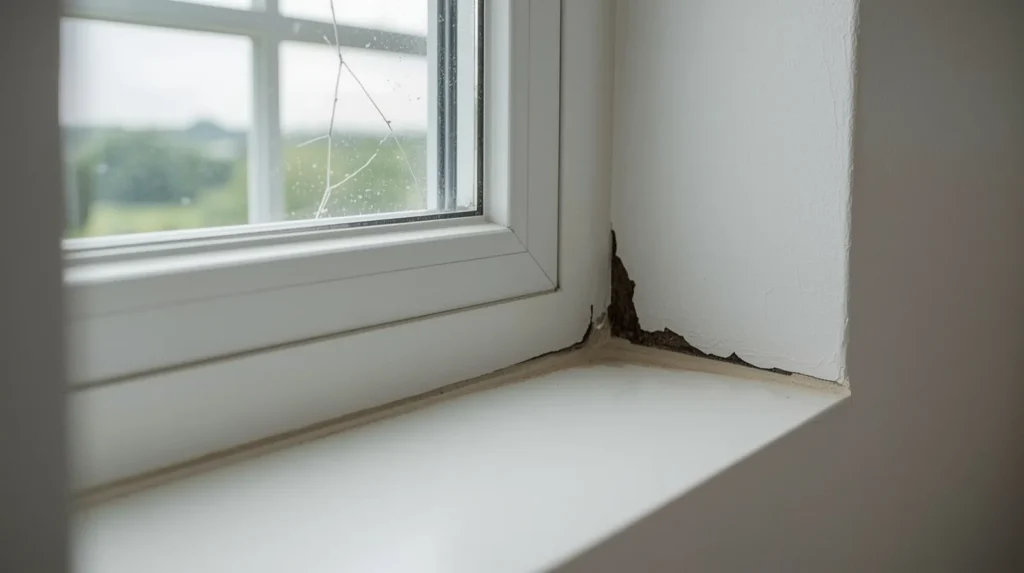
A window may look fine right after bad caulking, but trouble can grow slowly. Many of the problems begin where you cannot see them. Water might gather behind the trim, swelling the wood. The window frame can rot from inside. Mold can form along the sill or behind the drywall. Paint may bubble months later. These signs appear long after the mistake was made.
When the wrong parts are sealed, water becomes trapped in the frame. It does not drain out the way it should. The trapped water may sit there through the winter and create cold spots or moisture patches. Even vinyl windows can have problems if the wrong drainage paths are blocked.
Cracked caulking is another common issue. Sealant that is placed in the wrong spot does not last long because it is not designed to handle movement or moisture. When it cracks, it leaves open spaces where water enters. This creates a cycle of damage.
Small mistakes in caulking can grow into repairs that cost thousands. Knowing how to do it right saves both money and stress.
Understanding Window Frame Caulking the Right Way
Window frame caulking is a skill that takes patience and knowledge. A window frame connects the indoor space to the outdoor weather. It expands in hot weather and shrinks in cold weather. This movement is normal. Caulking must be placed in joint areas that can handle this movement without tearing.
When people apply caulk to the wrong places, they block the parts that are made to drain water away. Every modern window has a drainage design. Some have channels that move water out. Others have holes that let water flow downward and out of the frame. When you add caulk to these zones, you trap water inside.
The right places to caulk include:
• The sides and top of the frame
• The joint where the trim meets the wall
• The space where the siding touches the frame
• The interior trim corners
The wrong places include:
• The bottom edge if it is part of the drainage zone
• Any hole made for drainage
• Any spot where the window frame shifts or moves
Understanding this simple rule prevents long term water buildup. It also improves the life of the frame, the sealant, and the interior wall.
Where Not to Caulk Around Windows and Why It Matters
Here is the most important part of this guide.
Do not caulk any part of a window that is designed for drainage. This includes weep holes, the bottom edge of the frame, and the gap under the exterior sill.
These openings act like escape routes for water. They let rainwater move out before it can cause trouble. If you seal them, you stop the drainage system. This causes water to sit behind the frame where it can create mold or damage the wall.
Do not caulk:
• Weep holes
• Bottom frame edges
• Sill gaps
• Moving window parts
• Storm window ventilation channels
These parts may look like places where air can get in, but they are not. They are carefully designed to help the window last longer. Sealing them shortens the life of the window and can lead to expensive repairs.
Areas That Should Stay Breathable During Outdoor Window Caulking
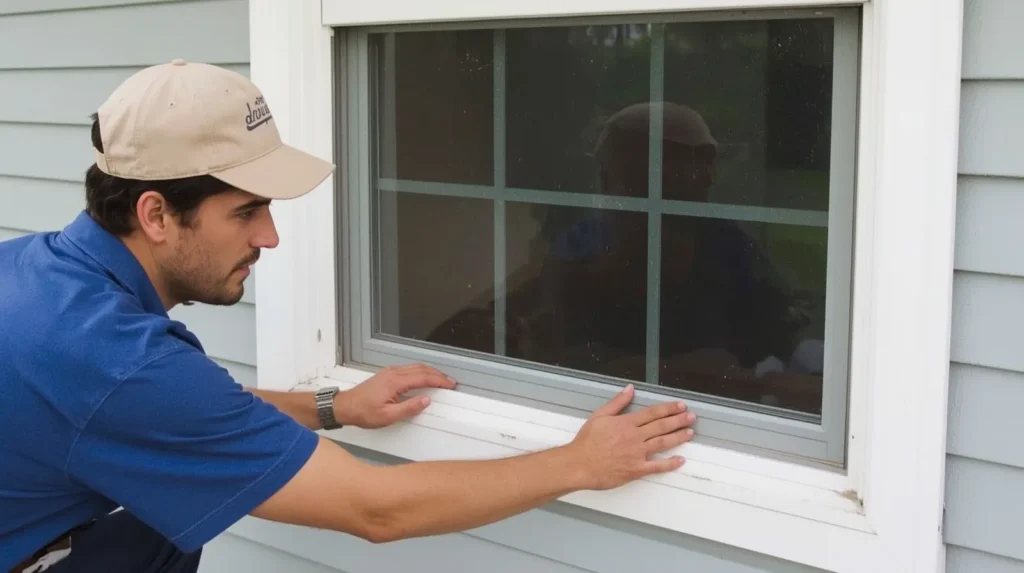
Windows need airflow behind some parts. This airflow helps the frame dry out after a storm. It also helps prevent mildew and wood decay. When these areas are blocked with caulk, moisture collects where it should not.
Parts that must stay breathable include:
• Drainage holes that guide water out
• Sill gaps that help water fall away from the frame
• Channels under storm windows for ventilation
• Sliding paths for moving parts
• Any vented space around specialty windows
These areas allow the window to control moisture in a natural way. Blocking them prevents that natural movement. Over time, the window’s structure suffers and becomes weak. Good caulking allows the window to breathe while still protecting the home.
Mistakes to Avoid With Window Sill Caulking and Trim Sealing
The window sill area is the most misunderstood part of a window. A sill often has a tiny gap between it and the siding. Many homeowners try to seal this gap because it looks open. But this opening may be part of the drainage system. If you use the wrong window sill caulking here, water builds up under the sill.
The wood under the sill can swell. Paint can peel away. The frame can weaken. Over years, these problems may spread to the inside wall.
When it comes to trim, homeowners also make mistakes. Caulking trim around windows should be done only where the trim meets the siding or meets the frame. Many people apply caulk too close to the sill, blocking natural drainage. Using the right exterior window trim caulk is important, but knowing where to place it matters even more.
Why Caulking Around Windows Inside Needs Extra Care
Inside caulking helps stop drafts and adds a finished look to the space. But indoor sealing can also cause trouble if done wrong. When caulking around windows inside, you must avoid sealing any part that moves or bends. If you seal moving areas, they cannot shift with temperature changes. This can crack the frame or break the seal.
Humidity inside the home can also cause trouble. If too much caulk is applied, moisture can collect around the sealed areas. That moisture may lead to fogging or mold. Caulking around windows cracking inside the home is often caused by sealing the wrong part or using too much product.
Good indoor caulking uses a thin line along the trim. It fills the small gap where the wall meets the frame. It never covers the sash or the glass edge.
Window Glass Caulking Mistakes That Can Lead to Leaks
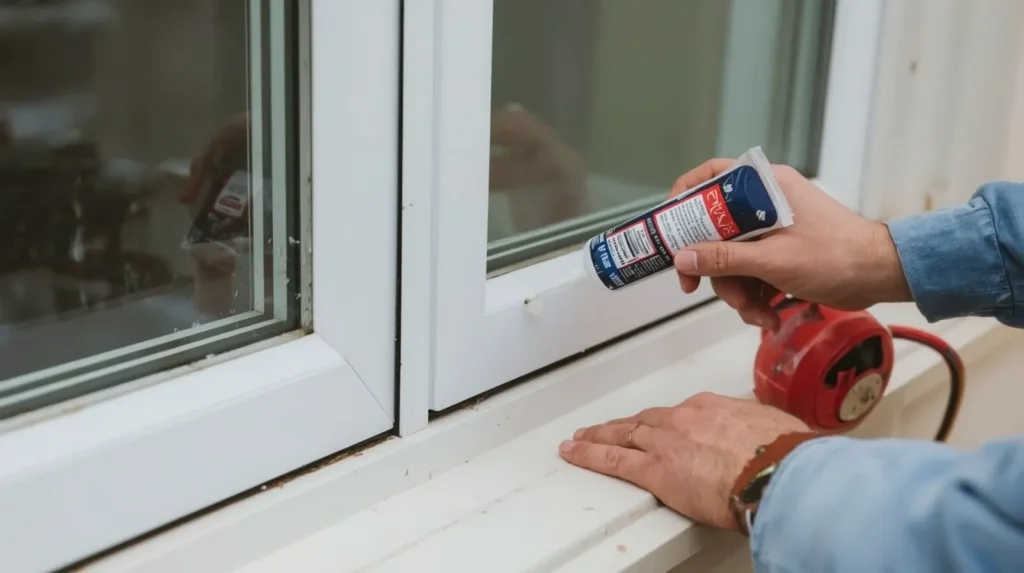
Most modern windows have a sealed glass unit that should never be caulked around the edges. The glass sits inside the frame using a gasket or a special seal. Window glass caulking added directly onto the glass can trap moisture between the panes.
Window pane caulking should only be used on older wooden windows that have glazing putty. Modern windows do not need this. If someone adds caulk on the glass edge of a modern window, it can cause leaks to move into the frame instead of away from it.
When this happens, water enters the wrong spot. Over time, it can harm the window structure or break the seal that keeps air between the panes.
Signs You Need to Re Caulk Exterior Windows the Correct Way
Your windows may need new caulking if you see:
• Gaps or cracks in the old caulk
• Peeling caulk around trim
• Moisture stains under the frame
• Drafts near the window edges
• Chips or breaks in the sealant
When re caulk exterior windows, you must remove the old sealant first. Adding new caulk over old caulk weakens the bond. It also hides signs of damage. Replacing window caulk should be done with clean, dry surfaces and the right sealant type.
Sealing cracks around windows helps protect the home, but sealing the wrong areas causes more harm. Always leave drainage spaces open.
How Inland NW Windows Helps Homeowners in Coeur d’Alene Seal Windows Safely
Professional help makes a big difference with window sealing. Inland NW Windows studies how every window works before adding any product. Their team knows which gaps help the window drain and which gaps need sealing. They work with many window types, including vinyl, wood, and aluminum.
Inland NW Windows uses high quality sealants and careful methods. Their experts understand how window frames move, how sills drain, and how weather affects each part. They help homeowners avoid costly mistakes and protect the home for many years.
If you want clean window sealing done right and want to avoid costly long term damage, our team can help you fix the problem before it grows. Reach out today. You deserve windows that work and a home that stays dry and safe.