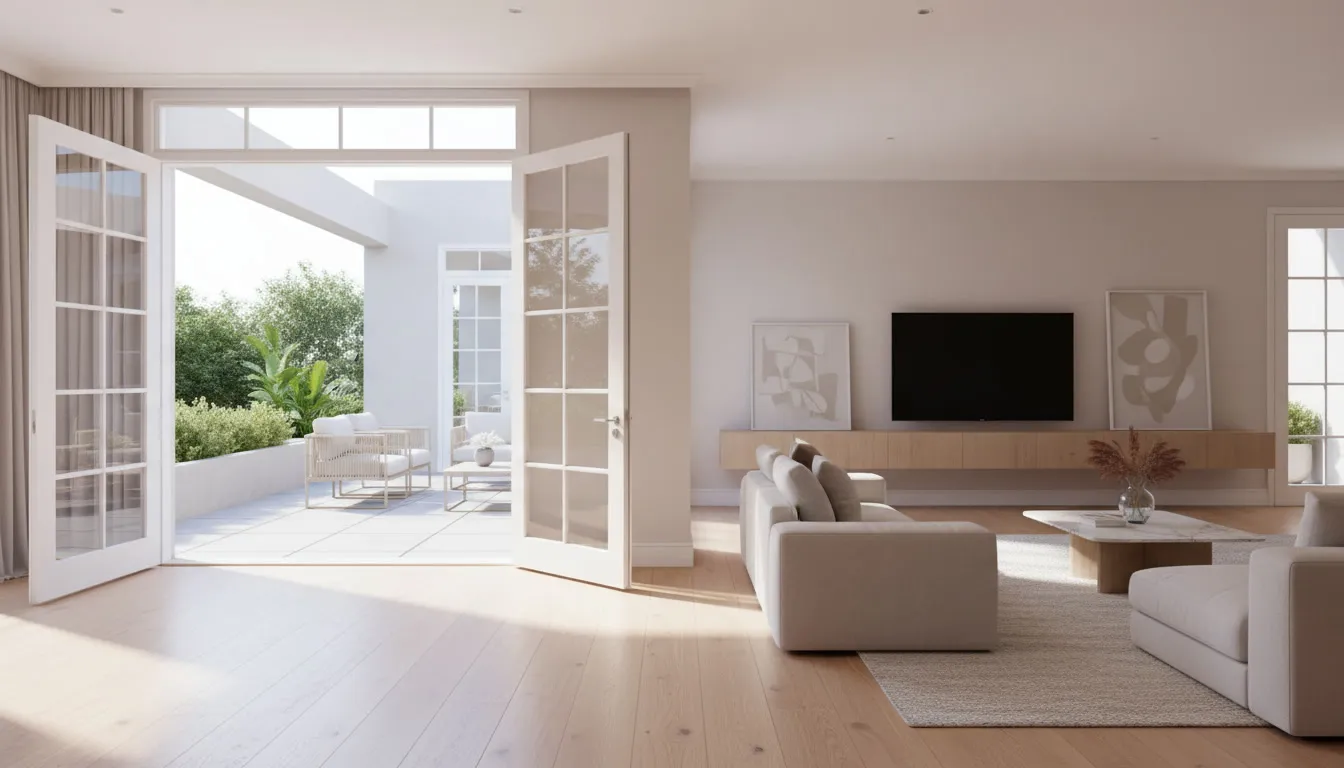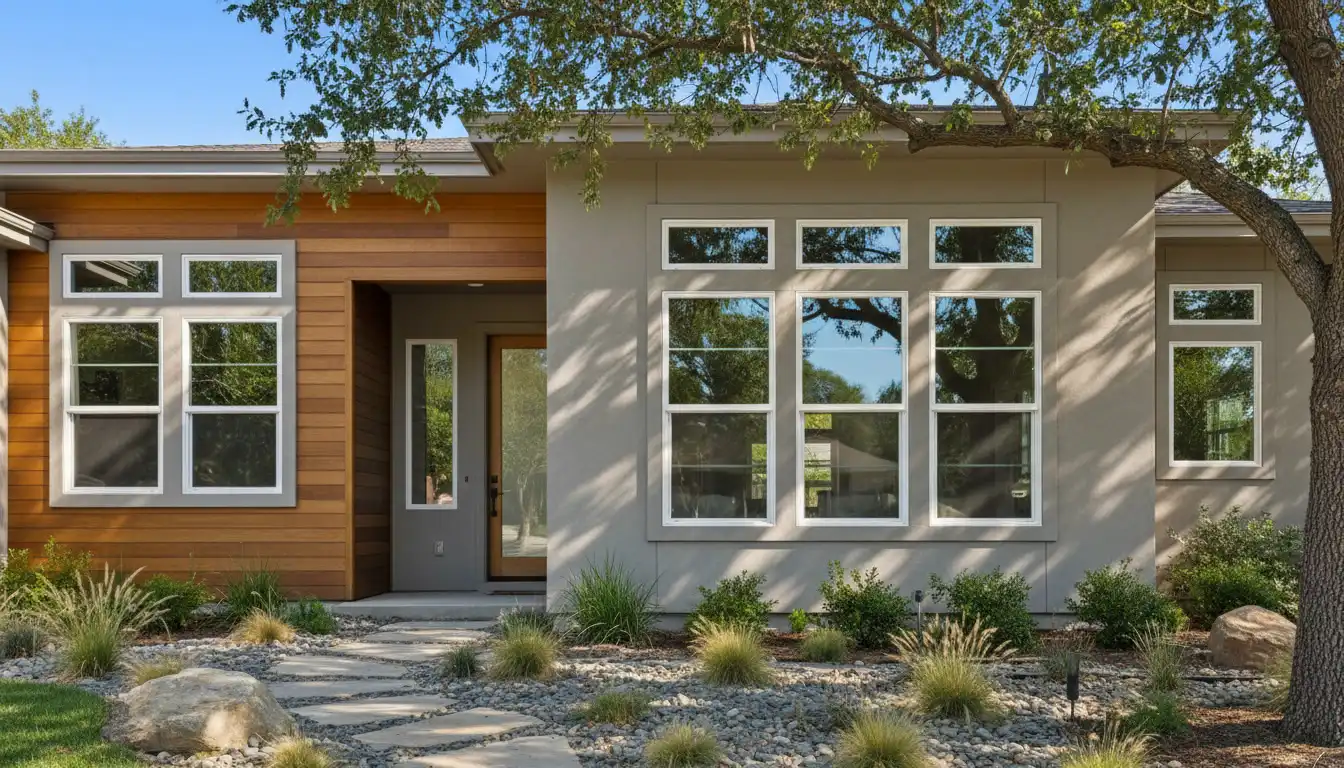
What is window trim is the frame of material that surrounds a window to cover gaps, improve looks, and protect the wall. It gives the window a finished shape and keeps drafts and moisture out. Window trim has both style and function, making it one of the most important small details in any home.
What Is Window Trim
Window trim is one of the simplest, yet most important parts of a window. When people ask what is window trim, the main answer is that it is the material that goes around the inside or outside edge of a window to give it shape and protection. Even though trim looks small, it carries a big responsibility. It covers rough edges, blocks drafts, shields the wall from moisture, and makes the window feel complete. Without trim, even the best window would look unfinished and weak.
Trim helps a home look neat and balanced. It connects the window to the wall in a clean way. It also adds strength. As windows open and close, small movements happen. Trim masks these small gaps and keeps everything tight. Homeowners often do not notice trim until it starts peeling, cracking, or losing color. By then, the damage under it might be more serious. That is why choosing strong, well built trim is important.
Experts like Inland NW Windows understand how trim affects both the appearance and the long term health of the home. They choose trim styles and materials that not only look good, but also protect the window frame from daily wear. Good trim installation supports comfort, reduces energy loss, and helps the whole room feel finished.
Window Trim Details That Most People Overlook
Window trim has many hidden details that are easy to miss. Most people see only the visible part of the trim, but the real work happens behind it. Trim hides the rough opening around the window. This is the space builders cut into the wall to insert the window. The edges of this area usually do not look smooth. Trim covers these rough spots and makes the window look clean.
Trim also covers gaps where air and moisture can pass through. A small gap may seem harmless, but over time, air leaks raise energy bills and moisture can cause mold. When trim is tight and installed well, these risks are reduced. Many homeowners only notice issues when they feel a draft or see paint lifting. This is why detail matters.
Another detail people overlook is how trim impacts the flow of a room. Wide trim pulls the eye toward the window. Thin trim blends into the wall. Decorative trim adds character. Smooth trim creates a modern feel. A room with mismatched trim can look off balance. Something simple, like switching from round edges to square edges, can change how the entire space feels.
Even the way trim meets at the corners matters. Clean, sharp corners show that the installer knew what they were doing. Uneven corners look sloppy. Every little detail adds up to the final look.
What Is the Trim Around a Window Called in Simple Terms
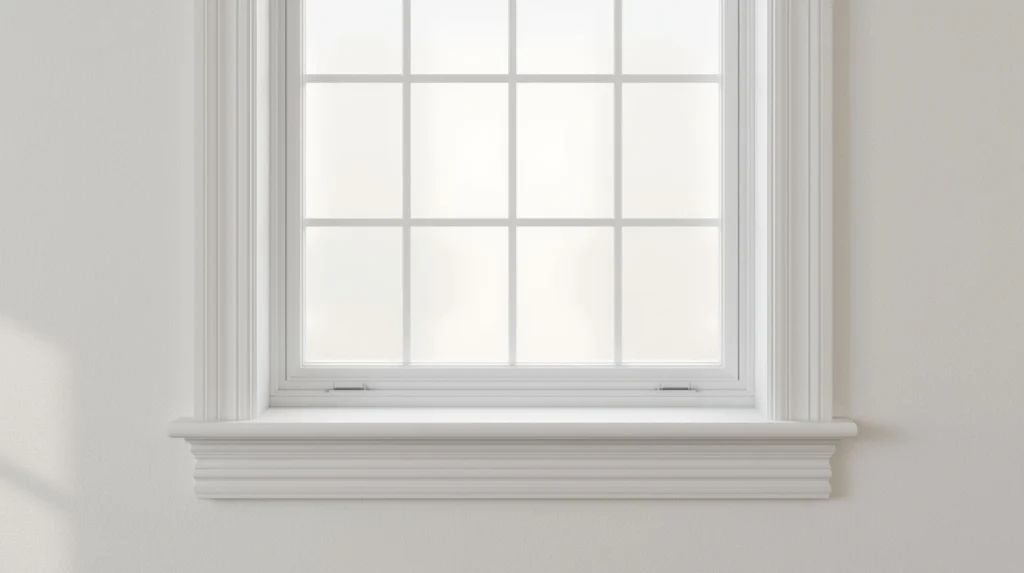
When someone asks what is the trim around a window called, the simple answer is window casing. This is the most common name used by builders and homeowners. Window casing covers the sides, top, and sometimes the bottom of the window.
The top piece is the head casing. The side pieces are the vertical casings. The bottom part is usually the sill, and right under it is a piece called the apron. These names help installers talk clearly about the parts they are working on.
The casing gives the window its frame. It also helps hold everything tight so the window is stable. Even though these names may sound complicated, they simply describe the trim pieces that surround the window. When all of them come together, the window gets an attractive and strong outline.
Some builders add extra pieces for style, such as a crown molding above the head casing. Others use very flat casing for a simple and clean appearance. No matter the style, the purpose stays the same. Casing frames the window and hides the space where the window meets the wall.
How Different Styles of Window Trim Change the Look of a Room
Trim is like the outline of a picture. It decides how bold or calm the window looks. A basic window with the right trim can suddenly feel elegant. That is the power of style.
Craftsman style trim is wide and flat. It gives a strong and sturdy look. Many older homes use this style because it feels warm and traditional. Modern homes often use thin trim that has straight edges. This creates a clean and simple look. Colonial trim has curved pieces that feel soft and classic.
Even color changes the style. White trim feels fresh and bright. Dark trim draws attention to the window. Natural wood trim makes the room feel warm and rich. Homeowners who want a cozy feel often choose wood tones. Those who like modern designs choose sharp edges and clean white or black finishes.
Trim can also make windows appear bigger or smaller. Wide trim around a small window makes it look more important. Thin trim around a large window lets the glass be the star. These choices shape the mood of the room.
Good trim design connects the whole house. When the trim matches doors, baseboards, and crown molding, the home feels unified. This is why picking the right trim style is important.
The Functional Side, How Trim Protects the Window Frame
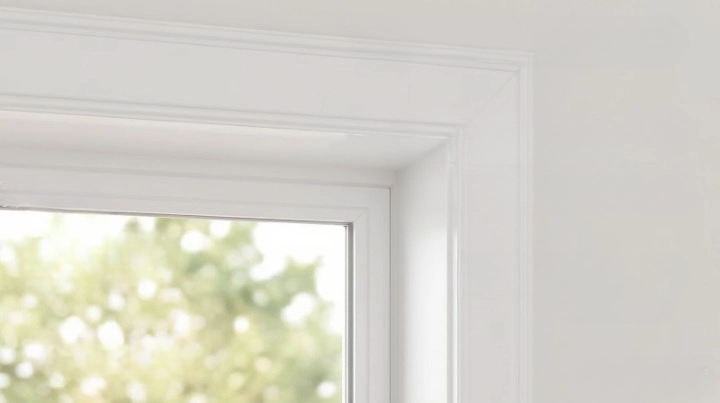
Trim is not only decorative. It does a lot of hard work that protects the home. It keeps cold air out during winter and warm air out during summer. If the trim is missing or installed poorly, air leaks happen. This makes the home less comfortable and increases energy bills.
Trim also guards the window frame against moisture. Rainwater tries to sneak behind the window. If it gets inside, it can damage the wall and the frame. Good trim acts like a shield. It blocks water from going behind the window and helps keep the house dry. Moisture damage is one of the biggest reasons homeowners replace trim.
Trim also protects the edges of drywall around the window. Drywall is soft and can easily chip. Trim acts as a tough border that prevents damage from bumps, cleaning tools, or furniture. A strong trim installation keeps the edges crisp.
Trim stabilizes the window too. As time passes, small movements happen from temperature changes. Trim hides these shifts and keeps the window looking smooth. When installed well, trim can last many years with simple care.
Window Trim Materials and Which Ones Last the Longest
Trim materials matter because they decide how long the trim lasts and how it behaves in different conditions.
Wood trim
Wood trim is classic and rich in appearance. Many older homes use wood because it matches traditional styles. Wood can be stained or painted to match the room. Wood trim lasts many years if kept dry and sealed. But it needs care because moisture can cause swelling or rot.
PVC trim
PVC trim is plastic based. It does not rot, crack, or attract moisture. It stays stable in areas with humidity. It is easy to clean and needs very little care. Many homeowners choose PVC for bathrooms and areas where moisture is common.
Composite trim
Composite trim combines wood fibers and plastic. It is stronger than MDF and more stable than natural wood. It handles temperature changes well. Composite trim lasts longer than wood because it resists moisture better.
MDF trim
MDF trim is smooth and great for painting. It is a budget friendly choice and works well for interior trim. But it should never be used outside. MDF absorbs water easily and can swell or warp.
For long lasting performance, PVC and composite are the strongest materials. They resist moisture, weather changes, and daily wear. Wood is beautiful but needs care. MDF works indoors only.
What Homeowners Should Know About Modern Trim Profiles
Modern trim gives homeowners many choices. Profiles are the shapes of the trim pieces. These shapes can be flat, curved, layered, or square. Each one creates a different look.
Square edge trim is the most modern. It gives a clean shape and works well with simple rooms. Craftsman profiles use flat pieces with subtle layers. They feel strong and warm. Colonial profiles use curves and soft edges to create a historic feel.
Some profiles are thin and sharp. Others are thick and bold. Homeowners can mix and match profiles to match their furniture and wall style. The right profile pulls the whole room together.
Trim profiles also affect how shadows appear on the wall. Flat profiles create soft shadows. Layered profiles create stronger shadows. These small changes can make the window look more defined.
When choosing profiles, the key is balance. The trim should match the style of the doors, baseboards, and cabinets. When everything matches, the home feels connected and polished.
How Motorized Blinds Work With Different Types of Window Trim
Many homeowners now use motorized blinds because they are smooth, clean, and easy to use. People often ask how do motorized blinds work with window trim. The answer is that they work very well because they do not need big brackets or hanging cords. This helps keep the trim looking neat.
Motorized blinds use a small motor inside the headrail. The motor lifts and lowers the blinds when a button is pressed or when the phone app sends a signal. The motor is quiet and hidden, so it does not change the style of the room.
Because motorized blinds sit close to the window, they fit nicely with thin trim and thick trim. They also match modern styles and classic styles. Motorized blinds give a clean look that works with almost all trim types.
Homeowners like them because they reduce clutter. No long cords means the trim stays the main focus. This gives the window a smoother appearance.
Signs Your Window Trim Needs Repair or Replacement
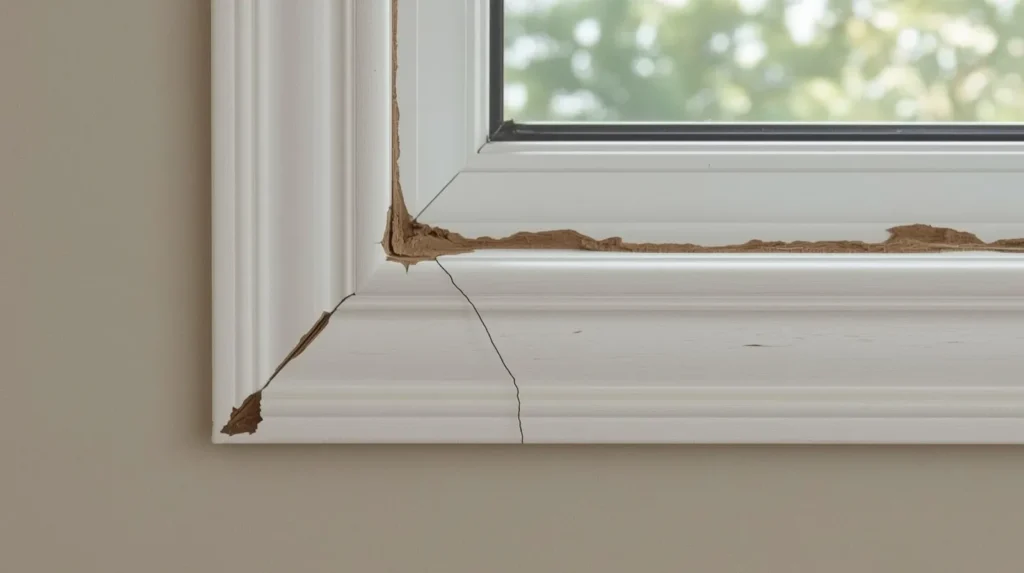
Trim will show signs when it needs help. These signs should not be ignored. Cracks in the trim mean the material is drying out or shifting. Gaps between the trim and the wall mean the window is not sealed well. Loose trim means the nails or glue holding it have weakened.
Peeling paint is another warning sign. If paint bubbles or flakes, moisture may be trapped under the trim. Soft spots usually mean water damage. If the trim feels soft when pressed, the material is breaking down.
Sometimes trim begins to warp or bend. This can be caused by heat, moisture, or long term stress. Warped trim looks uneven and can pull away from the wall.
If homeowners catch these problems early, repairs are easier. Small gaps can be sealed. Loose boards can be reattached. But if the trim is soft, rotten, or warped, it should be replaced to protect the window frame.
Choosing the Right Window Trim for Your Style and Budget in Coeur d’Alene
Homeowners should choose trim that matches their style, their home design, and their budget. Some people prefer bold, wide trim because it makes the windows feel grand. Others prefer simple trim so the room feels calm and open.
Wood trim suits homes with warm, classic styles. PVC and composite trims are great for moisture prone areas and for people who want low care. MDF works well indoors for homeowners on a budget.
Trim color matters too. White trim is clean and bright. Black trim is strong and modern. Natural wood trim feels warm and earthy. Each choice changes the style of the room.
Homeowners in Coeur d’Alene should consider how trim works with lighting, flooring, and wall colors. A window should look like it belongs in the room. A professional installer can guide homeowners to choices that match their homes and make their windows look beautiful.
Why Inland NW Windows Is a Trusted Choice for Professional Trim Services
Choosing the right installer makes a big difference. Inland NW Windows knows how to handle trim with care. Their team understands how to measure, cut, and seal trim so it lasts for many years. They know how to match profiles, how to work with different materials, and how to prevent moisture issues.
Good trim work takes skill and patience. Every cut must be smooth. Every corner must be aligned. Every edge must be sealed. Experienced installers understand how to keep trim tight and clean. They also know how to fix hidden issues that homeowners might not see.
With the right installer, trim can improve comfort, reduce energy loss, and protect the structure of the home. Professional trim work also adds beauty and value. Homeowners feel confident when their windows look clean and polished.
If you want window trim that looks clean, lasts long, and protects your home, reach out today. You can get expert help from a team that cares about quality and comfort.